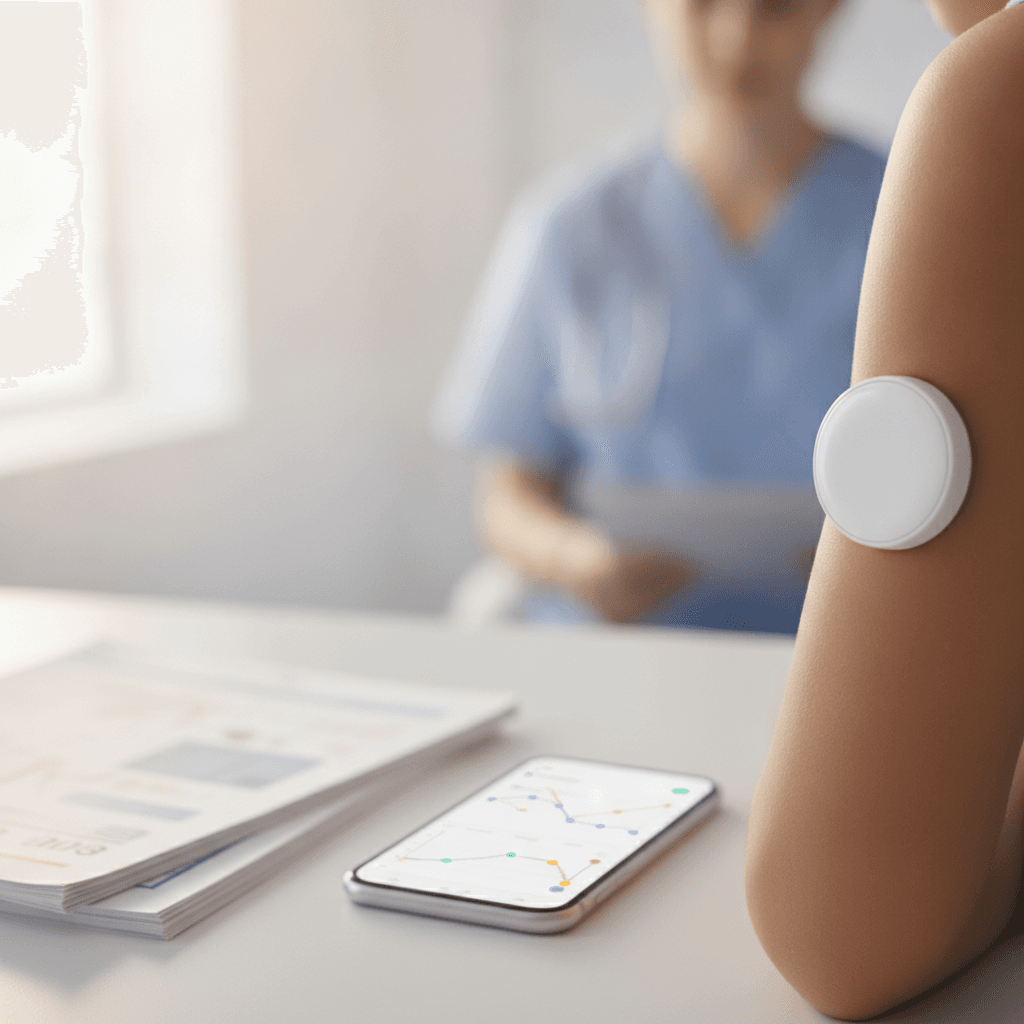
FDA Breakthrough: First OTC CGM for Pediatric Population
The U.S. Food and Drug Administration has cleared Dexcom Inc.'s Stelo Glucose Biosensor System as the first over-the-counter continuous glucose monitor (CGM) indicated for children aged two years and older who do not use insulin. This landmark decision represents a paradigm shift in pediatric diabetes management and opens new avenues for clinical research in non-insulin dependent glucose monitoring.
Clinical Significance and Research Implications
This FDA clearance addresses a critical gap in pediatric diabetes care, particularly for children with prediabetes, type 2 diabetes not requiring insulin, and those at risk for developing diabetes. The availability of an OTC CGM system eliminates the prescription barrier that previously limited access to continuous glucose monitoring technology.
Key Features of the Stelo System
- Age Range: Approved for patients 2 years and older
- Target Population: Non-insulin dependent individuals
- Classification: Integrated CGM (iCGM) system
- Accessibility: Over-the-counter availability without prescription requirement
The integration of this technology into routine care could significantly impact clinical research methodologies, particularly in pediatric studies examining glucose patterns, dietary interventions, and lifestyle modifications. Researchers can now access real-time glucose data from younger populations without the regulatory complexities of prescription devices.
Impact on Clinical Research Design
Enhanced Data Collection Capabilities
The OTC availability of pediatric CGM technology enables researchers to:
- Expand recruitment pools for glucose-related studies
- Reduce study costs associated with device procurement and prescription requirements
- Improve participant retention through simplified device access
- Generate larger datasets for population health studies
Research Applications
This development is particularly relevant for studies examining:
- Early intervention strategies in prediabetic children
- Lifestyle modification outcomes in pediatric populations
- Dietary pattern analysis and metabolic responses
- School-based diabetes prevention programs
Similar to recent developments in diabetes management research, such as the Austin T2DM Study targeting inadequate glycemic control with add-on therapy, this FDA clearance opens new possibilities for comprehensive glucose monitoring in younger populations.
Regulatory Pathway and Safety Considerations
The FDA's decision to clear the Stelo system for OTC use in children reflects extensive safety and efficacy data. The integrated CGM classification ensures the device meets stringent accuracy and reliability standards crucial for pediatric applications.
Safety Profile
- Designed specifically for non-insulin users to prevent hypoglycemic episodes
- Age-appropriate sensor design and application methods
- Simplified user interface suitable for pediatric and caregiver use
Implications for Healthcare Delivery
Clinical Practice Integration
Healthcare providers can now recommend CGM technology to a broader pediatric population without prescription requirements. This accessibility may lead to:
- Earlier detection of glucose abnormalities
- Improved patient engagement in diabetes prevention
- Enhanced family involvement in glucose management
- Reduced healthcare system burden through preventive monitoring
Economic Considerations
The OTC status potentially reduces costs associated with:
- Provider visits for prescription renewals
- Insurance authorization processes
- Healthcare system administrative overhead
Future Research Opportunities
This FDA clearance creates unprecedented opportunities for pediatric glucose research, including:
Population Health Studies
- Large-scale epidemiological studies examining glucose patterns in healthy children
- Community-based diabetes prevention initiatives
- School health program effectiveness evaluations
Intervention Research
- Behavioral modification studies using real-time glucose feedback
- Nutritional intervention trials in at-risk populations
- Physical activity impact assessments on glucose control
Connection to Broader Diabetes Research Landscape
This development complements ongoing advances in diabetes therapeutics, including recent innovations showcased in studies like Lilly's Foundayo showing superior efficacy to oral semaglutide. The combination of improved monitoring technology and therapeutic options creates a comprehensive approach to diabetes management and research.
Challenges and Considerations
While this FDA clearance represents significant progress, researchers should consider:
- Data standardization across different CGM platforms
- Patient education requirements for proper device utilization
- Integration challenges with existing electronic health record systems
- Privacy considerations for pediatric health data
Conclusion
The FDA's clearance of the first OTC continuous glucose monitor for children marks a transformative moment in pediatric diabetes care and research. This development not only improves access to advanced monitoring technology but also creates new possibilities for comprehensive glucose research in younger populations.
For clinical research professionals, this represents an opportunity to design more inclusive studies, reduce recruitment barriers, and generate robust real-world evidence on glucose patterns in pediatric populations. As the diabetes research landscape continues to evolve, this technological advancement positions investigators to conduct more comprehensive and accessible studies than ever before.
Source: FDA Press Releases - FDA Clears First Over-the-Counter Continuous Glucose Monitor for Children