Critical Medical Device Recall: Integra LifeSciences Codman Perforators
The FDA has issued a significant safety alert regarding Integra LifeSciences' Codman Disposable Perforators, marking another critical device recall that clinical research professionals must monitor closely. This recall underscores the ongoing challenges in medical device safety that can impact both clinical practice and research protocols.
Understanding the Device and Its Clinical Applications
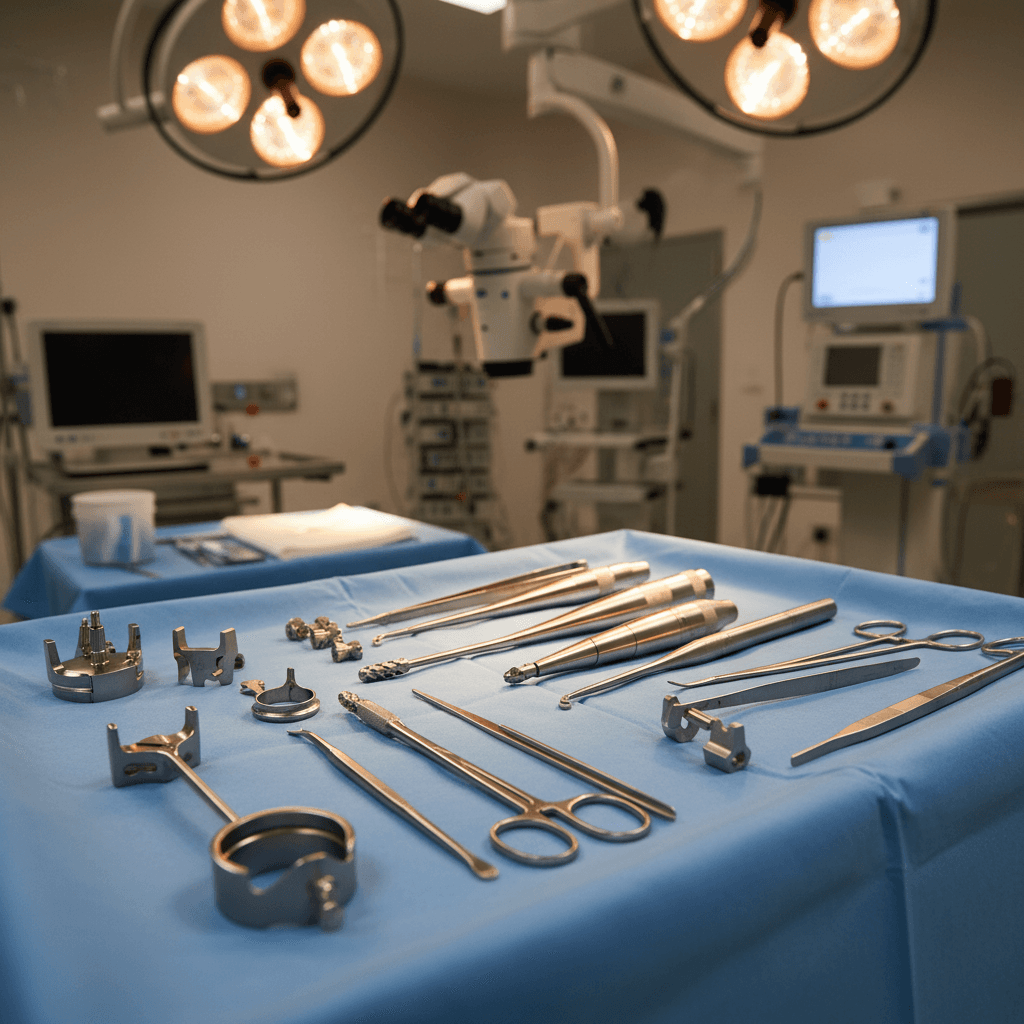
Codman Disposable Perforators are specialized neurosurgical instruments used for creating precise holes in the skull during craniotomy procedures. These devices are essential tools in neurosurgical interventions, including:
- Brain tumor resection procedures
- Emergency cranial decompression
- Intracranial pressure monitoring placement
- Neurosurgical research procedures involving cranial access
The devices are designed as single-use instruments to maintain sterility and ensure consistent performance across procedures.
Recall Details and Safety Concerns
According to the FDA MedWatch Safety Alert, the primary concern centers on device disassembly during or after use. This mechanical failure presents several critical risks:
Immediate Patient Safety Risks
- Brain injury: Component separation during drilling could cause uncontrolled penetration or tissue damage
- Hemorrhage: Unexpected device failure may lead to vascular injury and bleeding complications
- Prolonged surgical exposure: Extended procedure times increase infection risk and anesthetic complications
Procedural Complications
- Surgical delay while replacing failed equipment
- Potential for retained foreign objects if components separate
- Compromised sterile field integrity
Implications for Clinical Research Sites
This recall has significant ramifications for clinical research organizations and sites conducting neurosurgical studies. Research protocols involving cranial procedures must now account for:
Protocol Modifications
Sites may need to revise standard operating procedures for neurosurgical interventions, similar to how contamination issues have impacted clinical sites in other therapeutic areas.
Equipment Validation
Research sites must implement enhanced device verification procedures before use in clinical trials. This adds another layer to the already complex regulatory environment that requires careful attention to FDA disclosure requirements.
Data Integrity Considerations
Any device failures during research procedures could potentially compromise study data, requiring additional documentation and possible protocol deviations.
Regulatory Response and Industry Impact
The FDA's rapid response to this safety concern demonstrates the agency's commitment to device safety monitoring. This recall follows recent patterns of increased FDA vigilance regarding medical device failures, including early alerts on other surgical devices.
Manufacturer Responsibilities
Integra LifeSciences must:
- Notify all affected customers immediately
- Provide clear guidance on device identification and removal
- Implement corrective actions to prevent future occurrences
- Submit detailed root cause analysis to FDA
Risk Mitigation Strategies for Clinical Sites
Clinical research organizations should implement comprehensive risk management protocols:
Immediate Actions
- Inventory audit: Identify and quarantine all affected device lots
- Staff notification: Ensure all surgical teams are aware of the recall
- Procedure review: Assess ongoing studies that may utilize these devices
Long-term Safeguards
- Establish robust device tracking systems
- Implement pre-procedure equipment verification protocols
- Develop contingency plans for device failures during research procedures
Broader Context in Medical Device Safety
This recall highlights ongoing challenges in maintaining device reliability across the medical technology sector. The neurosurgical device market, valued at billions globally, faces increasing scrutiny as procedures become more complex and patient safety expectations rise.
The incident also underscores the critical importance of post-market surveillance and the need for continuous monitoring of device performance in real-world clinical settings.
Conclusion and Next Steps
The Codman Disposable Perforator recall serves as a crucial reminder that device safety remains paramount in clinical research and practice. Sites must maintain vigilant monitoring systems and robust response protocols to protect patient safety and research integrity.
Clinical research professionals should stay informed about ongoing FDA communications regarding this recall and implement appropriate safeguards to prevent similar incidents. As the medical device landscape continues to evolve, proactive safety management becomes increasingly essential for maintaining the highest standards of clinical research excellence.
For the latest updates on this recall and other FDA safety communications, clinical sites should regularly monitor FDA MedWatch alerts and maintain direct communication with device manufacturers regarding any safety concerns.