Critical Device Recall Impacts Diabetes Management Protocol
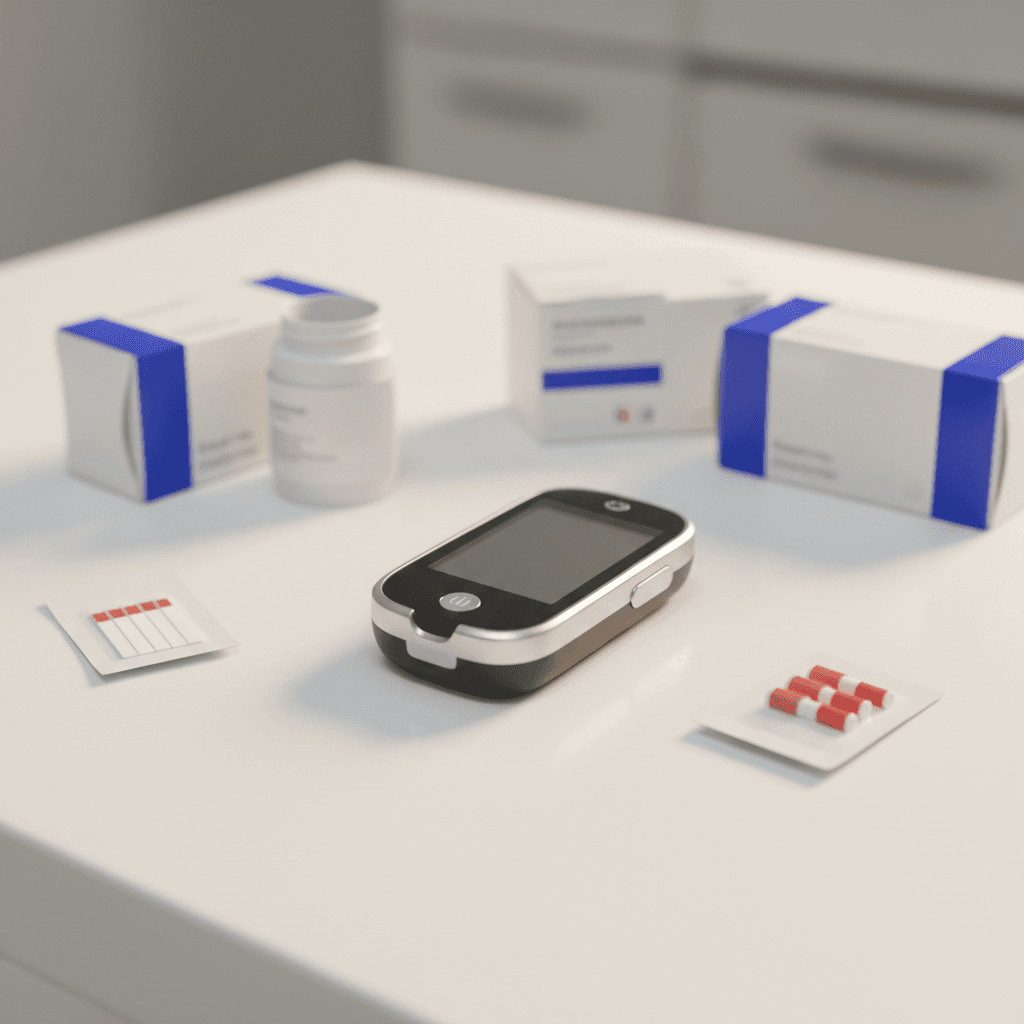
The FDA has issued a significant safety alert regarding Trividia Health's TRUE METRIX Blood Glucose Monitoring Systems, highlighting a potentially dangerous device malfunction that could compromise patient safety in diabetes management. According to the FDA MedWatch Safety Alert, the recall centers on an E-5 error code that may prevent accurate glucose readings during critical hyperglycemic episodes.
Understanding the E-5 Error Code Issue
The recall notification specifically addresses instances where the TRUE METRIX system displays an E-5 error code, potentially preventing users from obtaining accurate blood glucose measurements when they are most needed. This technical malfunction poses particular concern for clinical research professionals overseeing diabetes studies, as it could lead to:
- Delayed recognition of hyperglycemic episodes
- Compromised patient safety protocols
- Potential data integrity issues in ongoing clinical trials
- Increased risk of diabetic ketoacidosis (DKA)
Clinical Research Implications
For clinical research organizations conducting diabetes-related studies, this recall raises several critical considerations. The reliability of glucose monitoring devices is fundamental to study protocols, particularly in trials examining glucose management strategies where NAFLD patients often present with concurrent diabetes mellitus.
The timing of this recall is particularly significant given the expanding landscape of diabetes therapeutics, including the competitive oral GLP-1 receptor agonist market, where accurate glucose monitoring is essential for efficacy assessments.
Device Recall Classifications and Research Impact
This correction follows a pattern of medical device safety alerts, similar to recent recalls including the Integra LifeSciences Codman Cranial Drills and Namic RA Syringe Adaptor failures, demonstrating the FDA's increased vigilance in post-market surveillance.
Immediate Action Items for Research Teams
Clinical research professionals should implement the following protocols immediately:
Patient Safety Measures
- Immediate device inventory assessment of all TRUE METRIX systems in use
- Patient notification protocols for study participants using affected devices
- Alternative glucose monitoring arrangements for ongoing trials
- Enhanced symptom monitoring for hyperglycemia signs
Data Integrity Considerations
- Review recent glucose data from affected devices for anomalous readings
- Implement additional verification protocols using alternative monitoring systems
- Document any potential data quality impacts in study records
- Consider statistical analysis implications for studies nearing completion
Regulatory and Quality Assurance Perspectives
This recall underscores the critical importance of robust post-market surveillance systems and highlights how device failures can cascade through clinical research operations. The FDA's response time and communication strategy reflect enhanced regulatory oversight, particularly relevant given recent initiatives to accelerate medical device and drug development.
Risk Mitigation Strategies
For ongoing diabetes research, teams should consider:
Protocol Modifications
- Dual-device verification systems for critical glucose measurements
- Enhanced clinical monitoring schedules during device transitions
- Expanded inclusion of clinical symptoms in safety assessments
- Backup device procurement protocols for future studies
Vendor Relationship Management
- Enhanced due diligence processes for medical device selection
- Regular communication channels with device manufacturers
- Proactive recall monitoring systems across all study sites
Industry Context and Future Considerations
This recall occurs within a broader context of medical device safety improvements and regulatory evolution. As the clinical research industry continues to expand, with initiatives like BIO's advocacy campaigns supporting research infrastructure, device reliability becomes increasingly critical to maintaining study integrity and patient trust.
Conclusion
The TRUE METRIX recall serves as a critical reminder that even routine medical devices can pose significant safety risks when they malfunction. For clinical research professionals, this incident emphasizes the importance of comprehensive device management protocols, proactive safety monitoring, and rapid response capabilities.
Research teams should immediately assess their device inventories, implement enhanced monitoring protocols, and ensure robust communication channels with study participants. The lessons learned from this recall will undoubtedly influence future device selection criteria and safety protocols across the clinical research community.
Source: FDA MedWatch Safety Alerts - Blood Glucose Monitor Recall: Trividia Health Issues Correction for TRUE METRIX Blood Glucose Monitoring Systems